

INTRODUCTION

In the modern economic landscape, characterized by rapid technological evolution and intense brand competition, the mandate to generate more leads has shifted from a tactical pursuit to a foundational survival requirement for enterprises globally. Traditional digital marketing playbooks have decayed under the weight of privacy-first compliance frameworks, algorithmic evolution, and saturated search ecosystems. To navigate these complexities and consistently generate more leads, businesses must construct a synchronized digital growth engine that treats prospective customer acquisition not as an isolated marketing metric but as an enterprise-wide integration of brand equity, user experience engineering, and predictive artificial intelligence.
Historically, companies relied on simple marketing methods, deploying generic messages across broad channels in hopes of capturing a fraction of market attention. However, as the global market progresses through 2026, those legacy frameworks have become obsolete. Modern lead acquisition requires an understanding of conversational artificial intelligence, generative optimization, and behavior-based automation. Organizations that fail to adapt their strategies will experience declining visibility, rising customer acquisition costs, and diminished conversion rates. Conversely, those that build a resilient, multi-channel customer acquisition engine can scale their operations, build long-term digital equity, and continuously generate more leads in a highly competitive digital environment.
Why Most Businesses Struggle to Generate more Leads Online
To understand how to generate more leads, an enterprise must first analyze the structural obstacles that prevent modern digital marketing campaigns from achieving profitability.
The Difference Between Traffic and Qualified Leads
The modern digital landscape is saturated with vanity metrics. High-volume traffic does not automatically translate to commercial progression. In B2B contexts, documented data shows that on average, only 2% of B2B website traffic converts into a direct inquiry, leaving the remaining 98% of visitors anonymous and uncaptured. To generate more leads, organizations must look beyond raw pageviews and focus on capturing and identifying high-intent accounts.
CR=(Total Unique VisitorsTotal Conversions)×100
Using the conversion rate (CR) formula above, when a website attracts 100,000 visitors but lacks high-intent qualification, the conversion rate remains low, producing highly inefficient acquisition costs. To generate more leads of exceptional value, modern operations rely on website visitor identification technologies to deanonymize the uncooperative 98% of traffic, transforming passive visits into actionable sales intelligence.
Unqualified traffic represents a significant operational cost, exhausting server resources, inflating retargeting budgets, and creating false signals within machine learning algorithms. When an organization optimizes its marketing campaigns purely to attract volume, search and social algorithms target broad, low-intent users, diluting the database with contacts who have no buying authority or intent. To generate more leads, marketing campaigns must target specific buyer-intent profiles, ensuring that every page view represents an active opportunity for conversion.
Why Random Marketing Tactics Fail

Tactical fragmentation is the primary systemic failure in modern digital marketing. Initiating disjointed search campaigns, publishing uncoordinated social posts, or buying cold contact lists without a unified strategy prevents the capacity to generate more leads. This lack of architectural alignment is increasingly penalized by modern platforms. Mailbox providers, search engines, and social algorithms have implemented rigorous governance systems designed to reward deep engagement and technical consistency over transactional volume. Consequently, executing random campaigns without a cohesive funnel model results in unsustainable customer acquisition costs and low-value outcomes.
When an enterprise deploys random tactics, it falls victim to “bill fatigue,” paying high costs to ad networks without building long-term digital equity. These isolated efforts fail because they do not account for the multi-touchpoint nature of modern decision-making. To generate more leads, businesses must build an integrated marketing engine where organic search, paid ads, and automated nurturing work together to guide prospects through a structured journey.
| Traditional Outbound Approaches | Integrated Growth Engines (2026 Standard) |
|---|---|
| Chronological email batching with minimal segmentation | Behavior-triggered, predictive lifecycle nurturing |
| Isolated keyword search campaigns | Full-funnel search-to-intent synthesis |
| Passive, brochure-style corporate websites | Hyper-personalized, adaptive experience frameworks |
| Gated content blocks designed for form collection | Zero-click content structures optimizing for AI citation |
The Shift in Consumer Behavior in 2026
Consumer psychology has fundamentally shifted due to sustained socioeconomic uncertainty. Audiences are experiencing severe emotional fatigue, driving a transition where long-term, distant promises are disregarded in favor of immediate, tangible value. To generate more leads under these psychological conditions, brands must restructure their messaging to focus on instant gratification and incremental progress. Furthermore, the proliferation of large language models has transformed search queries from simple, keyword-based lookup commands into highly conversational, multi-modal explorations. The modern buyer bypasses traditional search results in favor of synthesized direct answers provided by conversational search engines, making it essential to optimize brand representation directly within AI models to generate more leads organically.
This structural change has given rise to the “zero-click” content landscape. Research shows that after encountering an AI-generated search summary, only 8% of users click through to a source website. This means that traditional search engines are no longer just directories, but answer engines that synthesize information on behalf of the user. To generate more leads, marketing strategies must ensure that content is optimized for AI extraction, allowing conversational models to cite and recommend the brand during active user research.
Build a Lead Generation Strategy Before Running Ads
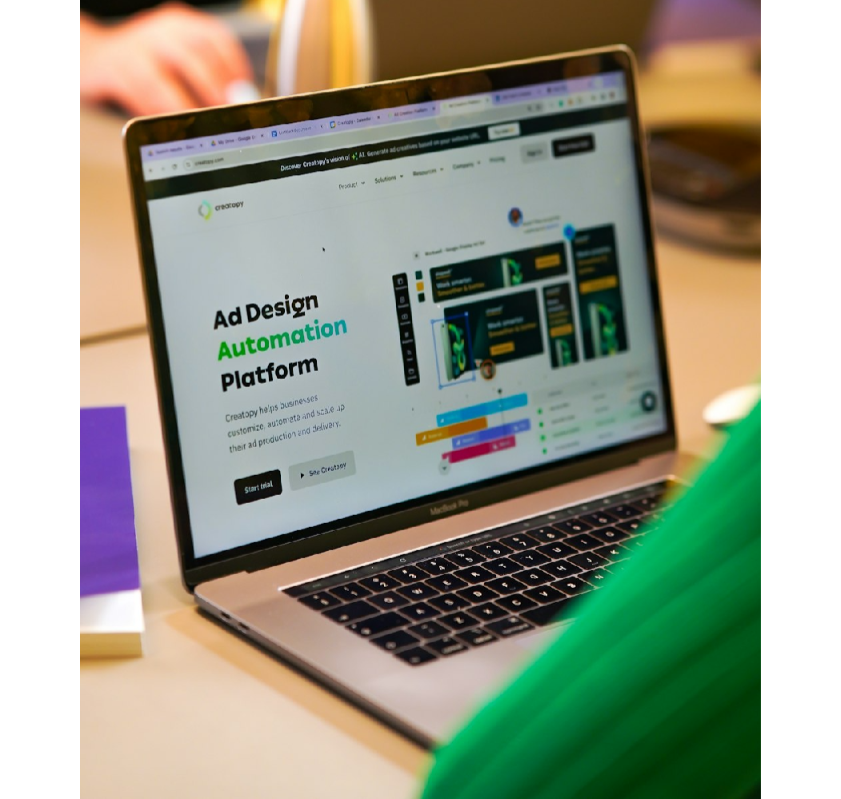

The structural integrity of a digital acquisition system depends entirely on the strategic framework established prior to capital allocation on advertising networks. To generate more leads, an enterprise must outline clear guidelines to define, attract, and engage its target audience before launching paid media campaigns.
Define Your Ideal Customer Clearly
A generic audience profile is a primary driver of wasted advertising capital. To generate more leads with high lifetime value, businesses must formulate a dynamic Ideal Customer Profile (ICP) backed by real-time behavioral and firmographic data. This profile must go beyond basic demographic statistics, evaluating deep organizational structures, technology stacks, intent signals, and specific pain points. Defining this narrow segment allows the growth engine to focus campaigns on accounts exhibiting active buying intent, accelerating sales velocity and reducing acquisition waste.
Building an ICP requires close alignment between marketing and sales departments. This alignment ensures that marketing efforts are directed toward attracting buyers who are highly profitable and likely to remain loyal over the long term. When an organization uses predictive lead scoring tools like Apollo or Persana AI to evaluate accounts based on intent and fit, it can identify high-value opportunities early. This data-driven approach allows marketing campaigns to target the right decision-makers, making it easier to generate more leads from high-intent accounts.
Create a Strong Offer People Actually Want
In an era of deep information saturation, B2B buyers reject traditional gated lead magnets like low-value whitepapers. To generate more leads, companies must construct high-value, friction-free offers that resolve immediate operational issues. The target audience demands authentic value prior to providing their contact credentials. Highly successful campaigns deploy interactive toolsets, custom audits, specialized calculators, or modular trial frameworks that provide immediate utility, establishing a high degree of brand equity early in the relationship.
An irresistible offer is built by addressing a specific, acute pain point faced by the ideal customer profile. For example, rather than offering a generic industry report, a B2B software vendor might provide an interactive security compliance diagnostic tool that runs instantly. This high-value offer captures the prospect’s attention and provides immediate utility. Providing value upfront builds a foundation of trust, encouraging prospects to share their contact details and helping the company generate more leads.
Understand the Modern Buyer Journey
The path to a purchase decision is no longer a linear progression through a simple funnel. The modern B2B buyer conducts comprehensive, independent research, evaluating multiple third-party reviews, community discussions, and conversational AI summaries before directly initiating contact with a sales representative.
To generate more leads across this highly decentralized journey, marketing infrastructure must serve as a consistent ecosystem of educational value. Content must be programmatically designed to meet the buyer at specific stages of evaluation:
- Awareness Stage: Prioritize educational clarity, resolving immediate industry challenges without aggressive product positioning.
- Consideration Stage: Distribute comparative proof points, independent reviews, and structural integrations.
- Decision Stage: Provide clear implementation documentation and friction-free direct access to technical experts or trial platforms.
➔ ➔
To coordinate this journey successfully, companies often deploy Account-Based Marketing (ABM) strategies. Rather than broadcasting broad marketing messages, ABM campaigns deliver hyper-personalized content, custom landing pages, and tailored educational assets to a select group of high-value accounts. This targeted approach aligns marketing efforts with sales goals, helping the enterprise build deeper relationships, shorten sales cycles, and generate more leads from top-tier accounts.
Create a Website That Converts Visitors into Leads

A company’s digital headquarters must act as an active, highly optimized conversion system rather than a static presentation of corporate achievements.
Why Most Business Websites Leak Potential Customers
The vast majority of corporate web properties fail to generate more leads because they prioritize internal corporate achievements over the user’s specific problems. These sites are structured with slow loading times, confusing navigation schemes, and excessive friction points. Furthermore, standard sites often lack clear, immediate trust indicators. Because only 9% of modern B2B buyers trust vendor-owned web statements fully, sites that fail to immediately highlight prominent, verifiable third-party validation and social proof elements suffer from high bounce rates and low conversion efficiency.
To generate more leads, a website must act as an interactive platform designed to build trust. When a visitor lands on a website, they should immediately find clear evidence of customer satisfaction, including third-party reviews, detailed case studies, and customer testimonials. This social proof reassures prospects, validating the company’s claims and encouraging visitors to take action.
Landing Pages vs Traditional Websites
Traditional multi-page websites are engineered for broad discovery, whereas specialized landing pages are engineered to achieve a singular conversion objective.
| Feature | Traditional Corporate Website | Conversion-Optimized Landing Page |
|---|---|---|
| Primary Goal | Broad-spectrum information and brand exploration | Single-action completion to generate more leads |
| Navigation Elements | Complex header, footer, and contextual links | Minimalist, non-distracting navigation pathways |
| Audience Alignment | General corporate visitors and stakeholders | Highly targeted paid search and social segments |
| Average Conversion Rate | Typically low (<2%) | Significantly higher due to focused structure |
To generate more leads from focused paid search or localized campaigns, organizations must deploy specialized landing pages that align perfectly with the ad’s specific promise.
Essential Conversion Elements Every Website Needs
To systematically generate more leads, a website’s conversion architecture must feature specific, non-negotiable structural elements:
- Instantaneous Direct Answers: Placing clear, two-to-three-sentence summaries at the top of structural pages allows both human readers and AI search crawlers to extract value instantly.
- Omnipresent Social Proof: Incorporating direct, verified customer reviews from third-party networks (e.g., Google, G2, Trustpilot) builds essential trust signals.
- Frictionless Interactive Elements: Utilizing interactive surveys, automated appointment schedules, and conversational capture agents eliminates the traditional form-fill barrier.
- Mobile-First Design Foundations: Given that over 60% of global web traffic is executed via mobile devices, responsive, lightweight mobile interfaces are crucial to generate more leads.
- Web Accessibility Standards: Incorporating screen-reader friendly code, descriptive alt-text, and clear video captions expands access to a broader audience while boosting SEO.
How Nexvora Helps Businesses Improve Conversion Rates
Developing these advanced digital products requires high-level technical expertise. Nexvora provides comprehensive web development, custom software engineering, and AI automation solutions to help enterprises resolve these complex structural challenges. Established in 2025, Nexvora specializes in building modern, highly scalable digital solutions that transform slow, low-converting corporate websites into high-performing customer acquisition engines. By integrating specialized custom applications and advanced conversion features, Nexvora allows companies to systematically eliminate conversion leaks and generate more leads with unmatched efficiency.
For example, Nexvora developed “Sarah,” an automated, high-fidelity AI voice agent designed specifically to handle incoming inquiries, provide immediate quotes, and schedule customer bookings. Built on an advanced technology stack including Vapi, ElevenLabs, and Make.com, this conversational agent operates 24/7 with zero latency. By integrating this automation directly into an organization’s conversion pathways, Nexvora helps businesses capture high-intent prospects instantly, reduce manual response times, and generate more leads.
Use SEO to Generate More Leads Organically
Search engine optimization is not merely about attracting search impressions; it is an equity-building strategy that drives consistent, high-value customer acquisition.
Why SEO Still Delivers Long-Term ROI
While paid media networks require ongoing capital investment to maintain lead flow, organic search optimization builds enduring digital equity. An optimized organic search footprint continues to generate more leads even when direct advertising spends are paused or reallocated. This compounding value means that as organic authority increases, the blended cost-per-lead (CPL) trends downward over time, creating a highly sustainable foundation for business expansion.
CPLBlended=Paid Leads+Organic LeadsAd Spend+SEO Investment
As the volume of organic leads rises, the overall acquisition cost is reduced, demonstrating why long-term search visibility is critical to generate more leads profitably. Investing in organic search allows an enterprise to move away from “renting” traffic from ad networks, helping them own their audience acquisition channels and generate more leads with sustainable unit economics.
Focus on Buyer Intent Keywords Instead of Vanity Traffic
Many businesses waste search marketing resources by optimizing for high-volume, informational keywords that attract visitors who have no intention of purchasing a solution. To generate more leads, companies must pivot their keyword strategies to target highly specific, problem-aware, and transactional queries. Keywords such as “competitor alternative for” or “emergency near me” represent prospects actively searching for a vendor, resulting in significantly higher conversion-to-revenue rates.
To execute this strategy successfully, marketing teams should build content around real search intent. The process involves finding high-intent, long-tail search terms, writing comprehensive answers, and linking related articles together. This approach ensures that content directly answers the searcher’s question, helping the website rank higher in search results and generate more leads from motivated buyers.
Local SEO Strategies for Small Businesses and Startups
For geographically bound businesses and emerging startups, dominating the local search environment is the most efficient path to generate more leads. The foundation of local search engine optimization is the Google Business Profile, where distance, relevance, and prominence serve as the primary ranking signals.
To optimize this pathway and generate more leads, local businesses must:
- Fully complete every single profile section, including correct service categories, operating hours, and localized business descriptions.
- Deploy frictionless, automated review-generation campaigns immediately following service completion, signaling consistent customer engagement to search algorithms.
- Build localized intent-driven pages targeting specific regional challenges rather than merely appending city names to standard service descriptions.
- Structure local content to support conversational, voice-friendly query patterns.
➔ ➔ [Frictionless Lead Conversion]
By focusing local landing pages on specific customer needs, small businesses can connect with high-intent prospects exactly when they are looking for local services. This localized, intent-driven strategy helps small brands generate more leads without needing massive marketing budgets.
Content Marketing That Brings Consistent Leads
The modern content paradigm requires brands to optimize not just for human readers, but also for AI-powered conversational engines like ChatGPT, Gemini, Perplexity, and Google AI Overviews. This transition has birthed Generative Engine Optimization (GEO). To generate more leads through modern search channels, content must be structured as authoritative, people-first, and highly structured data systems that large language models can easily retrieve, cite, and synthesize.
According to Princeton research, implementing advanced GEO techniques—such as citing credible third-party sources, integrating precise statistics, and embedding expert quotes—improves a brand’s AI search engine visibility by 30% to 40%. To generate more leads in this conversational era, articles must feature clear, machine-readable headings, structured data schema, and factual, verified claims that search engines can comfortably recommend to users.
Furthermore, working with specialized GEO agencies like Graphite or uSERP helps businesses optimize their digital presence for AI search engines. These advanced techniques ensure that an enterprise’s brand is featured prominently in conversational answers, helping them build authority and generate more leads across the modern search landscape.
Google Ads Strategies That Actually Work in 2026

Paid search marketing represents an exceptional demand-capture channel, provided the campaigns are structured to avoid budget waste and target transactional intent.
Search Ads vs Performance Max Campaigns
The choice between traditional Search campaigns and Google’s automated Performance Max (PMax) campaigns is a critical decision for advertisers trying to generate more leads. While PMax provides massive multi-channel reach across YouTube, Display, Gmail, and Discover, it is structurally optimized for immediate, unambiguous e-commerce transactions. For complex B2B lead generation, traditional Search campaigns consistently deliver higher conversion rates and superior lead quality.
Traditional Search ads capture prospects who are actively seeking immediate solutions, making them the most profitable baseline to generate more leads. Performance Max should be deployed as a secondary expansion tool only when Search campaigns are fully optimized and integrated with offline CRM conversion data.
| Metric | Traditional Search Campaigns | Performance Max Campaigns (PMax) |
|---|---|---|
| B2B Conversion Rate | Consistently higher (84% of head-to-head search term matches) | Typically lower; often suffers from brand query cannibalization |
| Average Return on Ad Spend (ROAS) | 553% (B2B SaaS and service average) | 436% (Heavily skewed toward retail outcomes) |
| Lead-to-Opportunity Conversion | 18%−28% conversion to Sales-Qualified Lead | 8%−12% conversion to Sales-Qualified Lead |
| Negative Keyword Control | Complete, granular ad group and campaign negative matching | Limited keyword control (up to 10,000 negative keywords at campaign level) |
| Average Cost per Conversion | Under $250 in excellent campaigns; averages $606 in SaaS | Often higher due to unoptimized placements |
How to Avoid Burning Money on Broad Keywords
Broad match keywords can expand reach too far, causing search campaigns to drift into irrelevant queries and deplete budgets. To generate more leads within budget, advertisers must:
- Maintain extensive negative keyword lists at the account, campaign, and ad group levels, systematically blocking common non-buying query themes such as “free,” “DIY,” “jobs,” and competitor research.
- Leverage specialized AI monitoring systems like Ryze AI to automate the discovery and exclusion of low-intent search queries before they exhaust the budget.
- Isolate broad match keywords into dedicated, budget-controlled “discovery” campaigns, keeping exact and phrase match keywords in core campaigns to protect highly profitable search queries.
- Deconstruct search terms daily, promoting proven converting search terms into exact match ad groups with customized ad copy.
Structuring paid search campaigns into distinct “performance lanes” can help protect the marketing budget. Lane One should be reserved exclusively for exact match, highly profitable keywords with dedicated budgets. Lane Two utilizes phrase match keywords to discover new opportunities, while Lane Three serves as a controlled broad match testing environment. This layered structure helps companies control ad spend, maintain steady conversion rates, and generate more leads with sustainable unit economics.
Writing Ad Copy That Generates High-Intent Leads
To generate more leads that turn into closed revenue, ad copy must focus on a single, clear customer pain point and position the company’s offering as the direct solution. Growth teams should avoid vague slogans and write copy that addresses real struggles, reduces purchase uncertainty, and outlines clear next steps. Aligning ad messaging with landing page content filters out unqualified clicks and draws in prospects who are ready to take action.
The Importance of Conversion Tracking
Running paid search ads without clean conversion tracking is highly inefficient. To generate more leads consistently, businesses must set up offline conversion tracking (OCT) to feed down-funnel, margin-aware sales data directly back to Google’s bidding algorithms. This data helps the platform optimize campaigns for actual revenue rather than cheap, low-value form submissions, improving overall pipeline efficiency.
Social Media Marketing That Drives Real Business Leads
Modern social media strategies must balance engaging organic content with targeted paid campaigns to drive meaningful pipeline growth.
Why Organic Reach Alone Is Not Enough
Relying solely on unpaid organic posts to generate more leads is no longer a viable customer acquisition strategy. Algorithmic updates on major networks heavily restrict the reach of unpaid company page updates, pushing businesses to use paid social ads for consistent reach. However, content published from personal employee profiles gets 5 to 10 times more organic reach than standard corporate company pages. To generate more leads, businesses must combine paid social ads with active personal branding and employee thought leadership.
Personal branding humanizes a business, helping to build trust with prospects in an environment flooded with unverified AI-generated content. When company leaders and employees share practical insights and answer customer questions directly, they build a recognizable and trusted voice. This organic connection supports paid social campaigns, making it easier for the company to generate more leads from interested prospects.
Best Platforms for Different Types of Businesses
Choosing the right social networks is essential to generate more leads without wasting budget. B2B companies find the best results on LinkedIn, utilizing account-based marketing (ABM) techniques, professional updates, and targeted retargeting campaigns. Consumer-facing companies (B2C) generate more leads on visual platforms like Instagram, TikTok, and YouTube, where visual demonstrations and interactive content connect with audiences more effectively.
Developing a clear platform strategy ensures that marketing budgets are spent where the target audience is most active. B2B teams can use LinkedIn’s detailed firmographic filters to target specific job titles and industries, while B2C brands can use highly visual platforms to drive rapid engagement and capture impulse conversions. This platform alignment helps brands reach motivated buyers and generate more leads with high efficiency.
Short-Form Video Content and Attention Economics
In a fast-paced digital landscape where attention is highly valuable, short-form vertical video has become a core element of growth marketing. Successful creators and brands use a “hub-and-spoke” model to scale their video production efficiently.
➔ ➔
Tools like OpusClip make it easy to turn one long-form video or podcast into dozens of short, engaging clips for TikTok, Instagram Reels, YouTube Shorts, and LinkedIn. This approach helps brands stay active on social feeds, capture scrolling viewers, and generate more leads with minimal production overhead.
The growth of the “clipping economy” has turned short-form video into a highly scalable customer acquisition channel. Brands utilize professional clippers to turn long-form recordings into viral social clips, helping to build brand awareness and drive traffic. By framing products within engaging, bite-sized videos, brands can hold viewer attention, build trust, and generate more leads across modern social platforms.
Retargeting Warm Audiences Through Social Ads
A high-performing paid social campaign should focus on retargeting warm audiences. By building custom audiences from website visitors, intent data, and previous video consumption, businesses can serve tailored ads to people who have already shown interest. This approach makes social ads highly efficient, helping brands generate more leads at a lower cost per acquisition.
Email Marketing Is Still One of the Highest ROI Channels

Building an owned, segmented email list remains one of the most reliable and cost-effective ways to nurture prospects and convert them into customers.
Why Most Businesses Ignore Their Existing Leads
Many marketing teams spend heavily on acquiring new traffic while neglecting the potential of the prospective customers already sitting in their databases. This oversight leads to wasted acquisition costs. Re-engaging inactive subscribers through personalized, helpful content campaigns is often the fastest, most cost-effective way to generate more leads from existing resources.
Re-engaging current subscribers requires building authentic relationships. Rather than sending generic, sales-heavy promotions, campaigns should deliver clear value, share insider updates, and feature recognizable, personal senders. Showing the human faces behind the brand builds familiarity and trust, helping the company reactivate dormant contacts and generate more leads without needing additional ad spend.
Building an Automated Lead Nurturing System
Prospects rarely make a purchase decision immediately. To generate more leads that turn into sales opportunities, businesses must set up automated, behavior-triggered email sequences. Automated nurture emails generate 4 to 10 times the response rate of generic mass emails , helping to guide prospects through the buyer journey.
| Nurturing Stage | Focus and Strategy | Core Content Deliverables |
|---|---|---|
| Stage 1: Awareness | Inform and educate without active product pitches | Practical guides, sector trend whitepapers, and industry benchmarks |
| Stage 2: Consideration | Introduce solutions and build credibility | In-depth case studies, comparative matrices, and expert webinars |
| Stage 3: Decision | Provide direct purchasing support and clear value verification | Product demonstrations, pricing estimators, and technical implementation guides |
Deploying multi-channel nurturing flows—such as combining targeted emails with SMS updates, WhatsApp messages, and tailored retargeting ads—ensures that the brand stays connected with prospects throughout their journey. This consistent engagement builds trust, shorter sales cycles, and helps the organization generate more leads from warm accounts.
Personalization and Segmentation in 2026
Modern email personalization requires more than just adding a subscriber’s first name to the subject line. To generate more leads through email, campaigns must use hyper-segmentation based on actual user behavior and zero-party data. Giving subscribers direct control over their content preferences and tailoring emails to their industry and stage in the buyer journey builds trust and improves engagement. This behavioral personalization can boost campaign revenue by up to 41% and increase click-through rates by 13%, showing the value of personalized nurturing.
Using specialized CRM platforms like HubSpot, Klaviyo, or ActiveCampaign allows growth teams to automate these hyper-personalized campaigns. By tracking user behaviors, such as specific page visits or content downloads, these systems can trigger targeted email flows that match the user’s immediate interests. This precise targeting ensures that prospects receive highly relevant content, helping the company generate more leads with high conversion rates.
Use AI and Automation to scale lead generation.

Incorporating artificial intelligence into marketing operations is essential for modern sales and marketing teams trying to scale their efforts.
AI Tools That Save Time and Increase Efficiency
Modern AI tools allow growth teams to automate complex data research and outbound outreach.
- SyncGTM: Features waterfalled data enrichment across over 50 data providers and uses AI research agents to build detailed lead profiles ($99/mo starter, $249 pro).
- Clay: Automates complex spreadsheets by gathering and enriching prospect data from multiple sources like LinkedIn and Crunchbase ($134/mo starter).
- Apollo.io: Combines a large B2B database with AI-driven sequencing to streamline outbound prospecting ($49/mo basic).
- Cirrus Insight: Connects directly with Salesforce to track buyer engagement signals and draft tailored follow-up proposals.
Using these tools helps sales teams automate repetitive tasks, saving hours of manual work and allowing them to generate more leads with greater efficiency.
Chatbots, CRM Automation, and Lead Qualification
Interactive AI chatbots and automated systems can qualify incoming web traffic 24/7. By handling initial inquiries and answering common questions, these tools ensure businesses never miss a prospective customer.
Nexvora developed “Sarah,” a high-fidelity AI voice receptionist built on Vapi, ElevenLabs, and Make.com, to help US cleaning companies automate inbound call management, qualify prospects, and schedule bookings. This automated system allows service businesses to handle inbound calls with zero latency, capture high-intent prospects instantly, and generate more leads around the clock.
However, full outreach automation can often break at the personal reply stage. While AI is highly effective at scale for first-touch engagement, converting interested prospects still requires human context and genuine interaction. Using a hybrid approach—leveraging AI tools like LiFa.st for content and visibility while keeping direct sales conversations manual—ensures that the brand maintains a authentic connection, helping the company generate more leads without appearing robotic.
Predictive Analytics and Smart Follow-Ups
Using predictive analytics and machine learning allows marketing teams to focus their efforts on accounts that are most likely to purchase. Predictive scoring models analyze historical sales and behavioral data to prioritize high-intent opportunities. This approach helps growth teams optimize their resources, execute timely follow-ups, and generate more leads from interested accounts.
The Biggest Lead Generation Mistakes Businesses Make

Avoiding common strategic mistakes is essential to maintain high-performing marketing campaigns.
Chasing Vanity Metrics Instead of Revenue
One of the most common mistakes is focusing on vanity metrics like clicks, impressions, and form submissions instead of actual closed revenue. A marketing campaign that brings in cheap, low-quality form fills can end up wasting valuable sales resources. Growth teams must align their acquisition metrics with actual business outcomes, ensuring that campaign optimization is driven by sales opportunities and revenue growth.
Ignoring Mobile Optimization
With over 60% of global web traffic coming from mobile devices, failing to build mobile-first conversion experiences can hurt campaign performance. High-intent prospects navigating slow, non-responsive mobile sites will quickly bounce and look for alternative solutions. Standardizing on fast-loading, mobile-friendly landing pages is a requirement to generate more leads from modern web traffic.
Running Ads Without a Funnel
Driving cold traffic directly to an unoptimized homepage is a quick way to burn ad budgets. A standard homepage lacks the clear path and single call-to-action needed to convert visitors into inquiries. To generate more leads, companies must build dedicated funnels that guide prospects from initial search through specialized landing pages, and then into automated follow-up sequences.
Not Following Up Fast Enough
Incoming inquiries grow cold quickly. Slow manual response times can ruin overall conversion rates, making it difficult to close interested prospects. Utilizing automated AI voice assistants or immediate automated emails ensures that prospects receive an instant response, helping brands maintain engagement and convert more inquiries.
How Startups and Small Businesses Can Compete with Bigger Brands
Startups and mid-market companies can effectively compete with larger competitors by remaining agile, utilizing modern marketing tools, and focusing on niche markets.
Speed and Agility as Competitive Advantages
Startups can iterate and launch new digital marketing campaigns far faster than larger corporations with complex approval chains. By rapidly adopting AI automation, implementing conversion-focused website designs, and testing fresh strategies, small teams can capture emerging opportunities and generate more leads before larger competitors can react.
Building Authority Through Content
Smaller brands can build trust and authority by publishing deep, authoritative content. Focusing on long-tail, problem-aware keywords helps startups establish topical authority, helping them rank organically and generate more leads without relying on massive paid advertising budgets.
Niche Positioning Beats Generic Marketing
Trying to appeal to everyone dilutes a brand’s message. To generate more leads, startups should focus on solving specific problems for a well-defined niche.
By developing hyper-targeted messaging and specialized solutions for a specific industry segment, startups can establish themselves as the clear choice, making it easier to acquire high-quality customers.
 ➔ [High Competition, Low Conversion]
 ➔ [Low Competition, High Conversion]
Measuring Lead Generation Success the Way
A growth campaign requires robust measurement tracking to ensure budgets are driving profitable business outcomes.
Important Metrics Beyond Clicks and Impressions
Tracking clicks and impressions is not enough to measure marketing success. Growth campaigns must prioritize down-funnel performance metrics:
- Cost-Per-Qualified-Lead (CPQL): The cost to acquire a prospect that matches the Ideal Customer Profile.
- Lead-to-Opportunity Conversion Rate: The percentage of leads that convert into active sales conversations.
- Pipeline Velocity: The speed at which a lead moves from initial contact to a closed sale.
- ROAS and Pipeline Value: The actual pipeline value and return on ad spend driven by acquisition campaigns.
Cost Per Lead vs Customer Lifetime Value
To ensure marketing campaigns are profitable over the long term, organizations must balance Customer Lifetime Value (LTV) with Cost Per Lead (CPL).
LTV=Average Order Value×Purchase Frequency×Customer Lifespan
ROIMarketing=(CPLLTV−CPL)×100
When a business knows its exact customer lifetime value, it can make smarter decisions about how much budget to allocate toward acquiring new prospects. Understanding this ratio ensures that digital marketing budgets are set to drive long-term, profitable growth.
Continuous Optimization and A/B Testing
Maximizing conversion efficiency requires ongoing optimization and testing. Growth teams should continuously test landing page layouts, ad headlines, promotional offers, and call-to-action buttons. This continuous testing helps businesses improve conversion rates, lower acquisition costs, and generate more leads over time.
Final Thoughts on How to Generate More Leads in 2026

Modern customer acquisition requires building an integrated digital growth engine that balances brand building with smart, data-driven automation.
The Businesses Winning in 2026 Think Long-Term
Success in modern digital marketing belongs to brands that invest in long-term digital equity. Relying solely on short-term paid campaigns is increasingly expensive. Businesses that build strong search authority, establish robust first-party databases, and create authentic, helpful content will continue to generate more leads consistently over the long run.
Why Consistency Beats Marketing Hacks
Short-lived marketing hacks and tricks do not drive sustainable growth. Building a reliable system requires technical consistency, clean conversion tracking, and ongoing content optimization. Maintaining a consistent, high-quality digital presence is what helps businesses earn customer trust and generate more leads over time.
Building a Sustainable Digital Growth Engine
Constructing a sustainable growth engine means connecting all marketing channels into a single, cohesive ecosystem. By combining organic search, paid ads, social media, automated email sequences, and conversational AI, businesses can stay connected with prospects throughout their buying journey.
+ [Google Ads: Intent] + [AI Voice Agents: Qualification] ➔ Sustainable Growth Engine
Enterprises that build this integrated engine will continue to generate more leads, scale their customer acquisition, and maintain a strong competitive advantage.
Frequently Asked Questions
How long does digital marketing take to generate leads?
The time required to generate more leads depends on the chosen marketing channel. Paid acquisition campaigns like Google Search Ads can deliver conversions almost immediately once they are launched and tracking is in place. Conversational campaigns on social networks can also capture prospect interest within a few weeks. Conversely, organic search engine optimization and content marketing efforts are long-term strategies that typically require three to six months to build authority and generate more leads consistently.
Which platform generates the best quality leads?
For B2B brands and enterprise companies, LinkedIn and targeted Google Search Ads consistently deliver the highest-quality sales opportunities. Google Search captures prospects who are actively looking for solutions , while LinkedIn’s detailed firmographic filtering helps sales teams connect directly with key decision-makers. By matching targeted platforms with precise buyer profiles, brands can improve lead quality, accelerate sales cycles, and generate more leads with high lifetime value.
Is SEO better than paid ads for lead generation?
Both channels are valuable and work best when used together. Google Search Ads are ideal for immediate demand capture and quick conversions , while organic SEO builds long-term digital equity that lowers overall acquisition costs over time. An integrated strategy uses paid search for immediate sales opportunities while building SEO to generate more leads organically over the long run.
How much should a small business spend on digital marketing?
Marketing budgets vary based on industry competition and growth goals, but small businesses typically allocate 7% to 12% of their total revenue to digital marketing. When budgets are smaller, teams should prioritize direct, high-intent channels like localized Search Ads and local SEO rather than broad brand awareness campaigns. Concentrating resources on high-intent channels ensures that small brands can control customer acquisition costs, maximize their returns, and generate more leads within budget.
What is the fastest way to generate online leads in 2026?
The quickest way to acquire prospects is to launch tightly targeted Google Search campaigns focused on high-intent, transactional keywords, paired with specialized landing pages. Incorporating conversational AI assistants to immediately follow up and qualify incoming traffic ensures that businesses can convert and generate more leads with maximum efficiency.
External Authority Source Suggestions
- Google Marketing Platform Insights: To track ongoing updates to AI-driven bidding, search partners, and privacy-first tracking setups.
- Princeton AI Research Archives: To reference academic findings on Generative Engine Optimization (GEO) and citation engineering.
- WordStream Marketing Benchmarks: To evaluate updated industry-specific acquisition costs and conversion statistics.
CTA Section for Nexvora
Transforming a corporate web presence into a high-performing digital marketing engine requires expert technical execution. Nexvora helps enterprises, startups, and growing businesses develop modern websites, integrate AI automation, and deploy custom software solutions designed to streamline operations and generate more leads. From conversion-focused web development to custom AI tools, Nexvora helps brands eliminate technical leaks and scale their growth. Contact the technical consulting team at Nexvora today to request a custom digital growth proposal.